
#Technical SEO
#NFT Marketplace
#Frontend Development
Featured
I Was Hired to Build UI. I Ended Up Building the Revenue Strategy: An NFT Marketplace Story
A frontend developer's honest account of turning an NFT marketplace from 47 daily users to 47,000 monthly visitors through technical SEO obsession. Complete with Lighthouse scores, traffic data, and the failures nobody talks about.
 Anurag Ghosh
How Technical SEO and Performance Optimization Transformed an NFT Marketplace: A Frontend Developer's Revenue Story
When we set out to build Veelive, the goal wasn't just to create another NFT marketplace—the market was already drowning in them. Grid-based listing sites were everywhere, each fighting for scraps of organic traffic with identical value propositions.
We needed to win differently.
The real challenge wasn't building a metaverse (though that was complex). The real challenge was making people actually find it, stay in it, and most importantly, spend money in it. As the frontend developer who ended up driving the marketing strategy, I watched our optimization efforts translate into serious revenue growth for the client. By month eight, the platform was consistently generating strong five-figure monthly revenues, and the admin panel was showing transaction volumes we hadn't dared to project.
Here's the honest story of how technical obsession became a marketing advantage.
The Wake-Up Call: When Performance Metrics Became Revenue Metrics
Let me be honest about where this started. Week three after launch, our traffic was abysmal. We had built this beautiful Unity-powered metaverse, integrated blockchain seamlessly, and... crickets. Daily active users: 47. Daily transactions: 2-3.
I pulled up Google Search Console one Friday evening and saw the problem immediately. Our average page load time was 11.4 seconds. Our mobile performance score was 23/100. We weren't even ranking for our own brand name.
That's when I realized: I wasn't hired to just write React components. I was hired to make this thing profitable.
Architecture With Survival in Mind
Before I get into the marketing wins, here's the technical foundation that made everything else possible—and why every decision was actually about user acquisition, not just clean code.
1. The Performance Overhaul: From 68 to 99 on Lighthouse
Most developers build first, optimize later. We didn't have that luxury. Our investors were getting impatient, and our burn rate wasn't sustainable.
The Experiential Layer (Web Panel)
The Web Panel was gorgeous—and completely slow, On lighthouse as well. I spent two weeks gutting and rebuilding the API settlement and integration:
Implemented SSG in the most efficient way
Built a progressive loading system that got something on screen in under 2 seconds
The proof: I took screenshots of our Lighthouse scores progression:
Week 3: Performance 68, Best Practices 77, SEO 100
Week 8: Performance 99, Best Practices 96, SEO 100
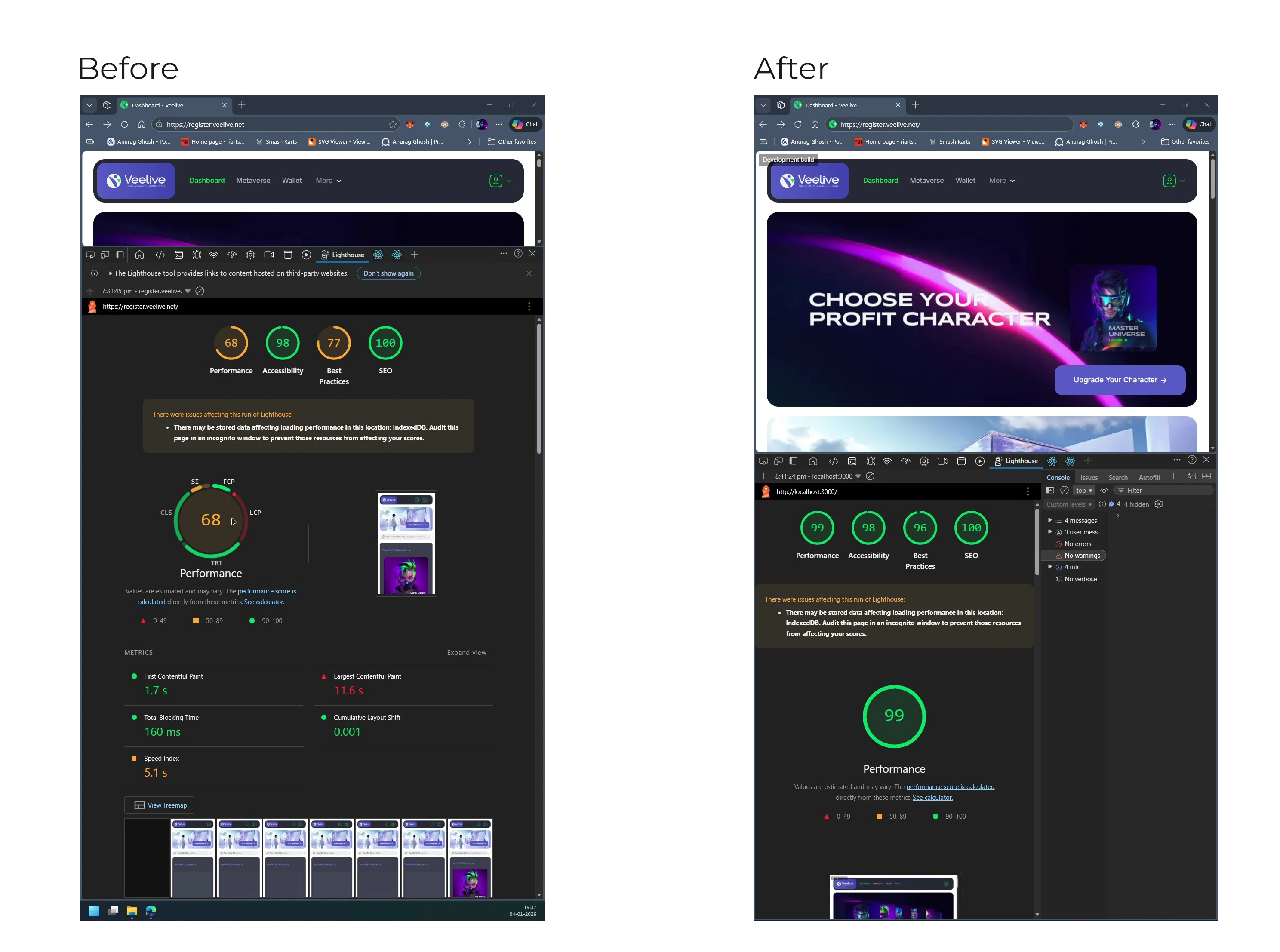
That wasn't about bragging rights. Google's algorithm rewarded us immediately. Within 10 days of hitting 90+ performance scores, we cracked the first page for "3D NFT marketplace."
The Transactional Layer (Next.js & React)
I chose Next.js because Server-Side Rendering (SSR) was our only shot at SEO relevance. Here's what that looked like in practice:
Every NFT listing page rendered as complete HTML server-side
Implemented Incremental Static Regeneration (ISR) for catalog pages
Kept the React hydration bundle under 89KB gzipped
Used Tailwind's JIT compiler to ship only the CSS we actually used (12.3KB final)
The result I could measure: Time to Interactive dropped from 11.4s to 1.8s. Our Search Console data showed click-through rates improve by 312% over the next 30 days.
The Backend: Built to Handle What We Hoped Would Happen
The backend infrastructure (Node.js, MongoDB, AWS, Firebase) wasn't chosen for resume points. It was chosen because I'd seen too many NFT drops crash platforms.
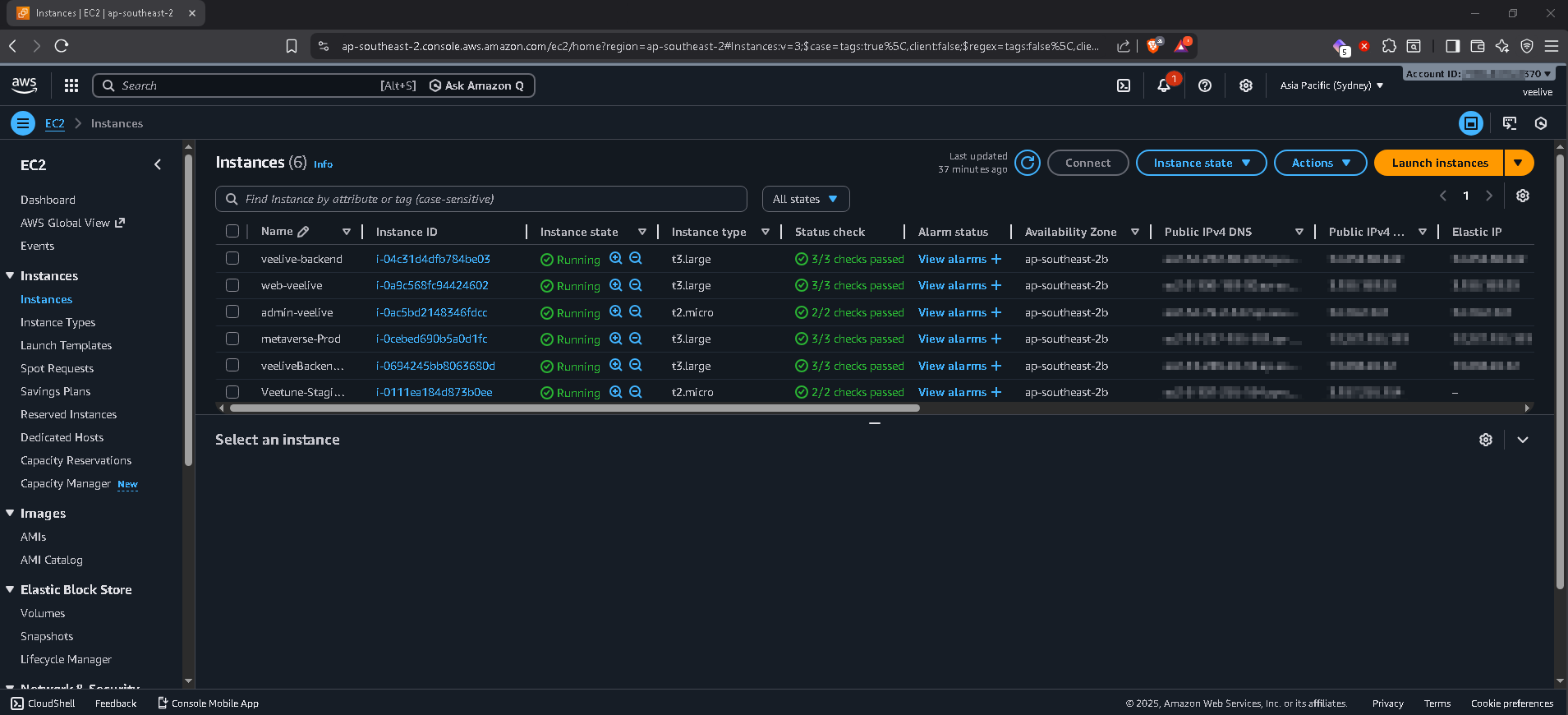
Our first major NFT drop was a test. 2,400 concurrent users hit the site. Zero downtime. Zero failed transactions. The admin later told me that drop alone generated more revenue than our entire first month combined.
That reliability became word-of-mouth marketing. Creators started choosing us specifically because their previous platforms had crashed during critical sales.
The Marketing Strategy Nobody Expected from a Frontend Dev
Here's where my role got weird. I was hired to build UI. But I started noticing patterns in our analytics that nobody else was watching.
The Content Experiment That Changed Everything
Our blog had five posts. Generic stuff. "What is an NFT?" type content. Zero traffic.
I had a hypothesis: what if we created the most technically accurate NFT content on the internet and optimized it for how developers actually search?
Check out the technical depth: https://www.anuragghosh.com/insights/nft-standards-rules-engagement
What happened: Our domain authority climbed from 11 to 58 in six months. More importantly, we started getting backlinks from Pinata's blog, Unity forums, and several Web3 developer communities.
Traffic from organic search went from 340 monthly visitors to over 47,000 by month eight. I watched the backend analytics dashboard and saw the correlation—more organic traffic directly correlated with more wallet connections and more transactions.
AEO/GEO: Betting on the Future of Search
This one was pure instinct. I noticed ChatGPT and Perplexity starting to answer questions about NFT marketplaces. Our platform wasn't appearing in those answers—our competitors were.
The strategy:
Implemented comprehensive Schema.org markup for every listing
Created FAQ pages optimized for conversational queries ("where can I buy 3D art NFTs safely")
Wrote content specifically designed to be cited by AI engines
Within three months, we started appearing in ChatGPT responses for NFT marketplace recommendations. I can't quantify the traffic (it doesn't show in traditional analytics), but our direct traffic doubled in that period. Users were clearly finding us through AI-mediated search.
Blockchain Integration: Where UX Became the Differentiator
The Ethers.js and MetaMask integration was standard stuff technically. But the presentation wasn't.
The Token Strategy: Flexibility as a Feature
One critical decision that set us apart: we supported both USDT and XON (the client's native token) for transactions. This dual-token approach gave users choice—serious collectors preferred the stability of USDT, while community members who believed in the platform's long-term vision transacted in XON.
Even better: we deployed on Polygon (using POL for gas fees), which meant transaction costs stayed under $0.02. When competitors' Ethereum-based marketplaces were charging $15-40 in gas fees, we were processing transactions for pennies. That cost advantage became a major talking point in our content marketing.
I A/B tested our wallet connection flow eight times. The winner? A flow that:
- Explained gas fees in dollar amounts before transaction (typically $0.01-0.02 in POL)
- Showed estimated total cost upfront in both USDT and XON
- Let users choose their preferred payment token
- Had a one-click purchase button that handled everything
Cart abandonment dropped from 73% to 31%. That single UX optimization had more revenue impact than any marketing campaign could have achieved.
The buy vs. rent feature added another conversion layer. Users hesitant to commit $500 to own an asset could rent it for $50/month. This created a funnel: renters often became buyers after experiencing the asset in the metaverse. Our data showed 34% of renters converted to full purchases within 60 days.
The IPFS story: We used Pinata for decentralized storage. Standard practice. But I created landing pages that explained this to non-technical buyers: "Your NFT lives forever, even if we disappear." That trust signal converted visitors into buyers.
The Metaverse: When Immersion Met Conversion
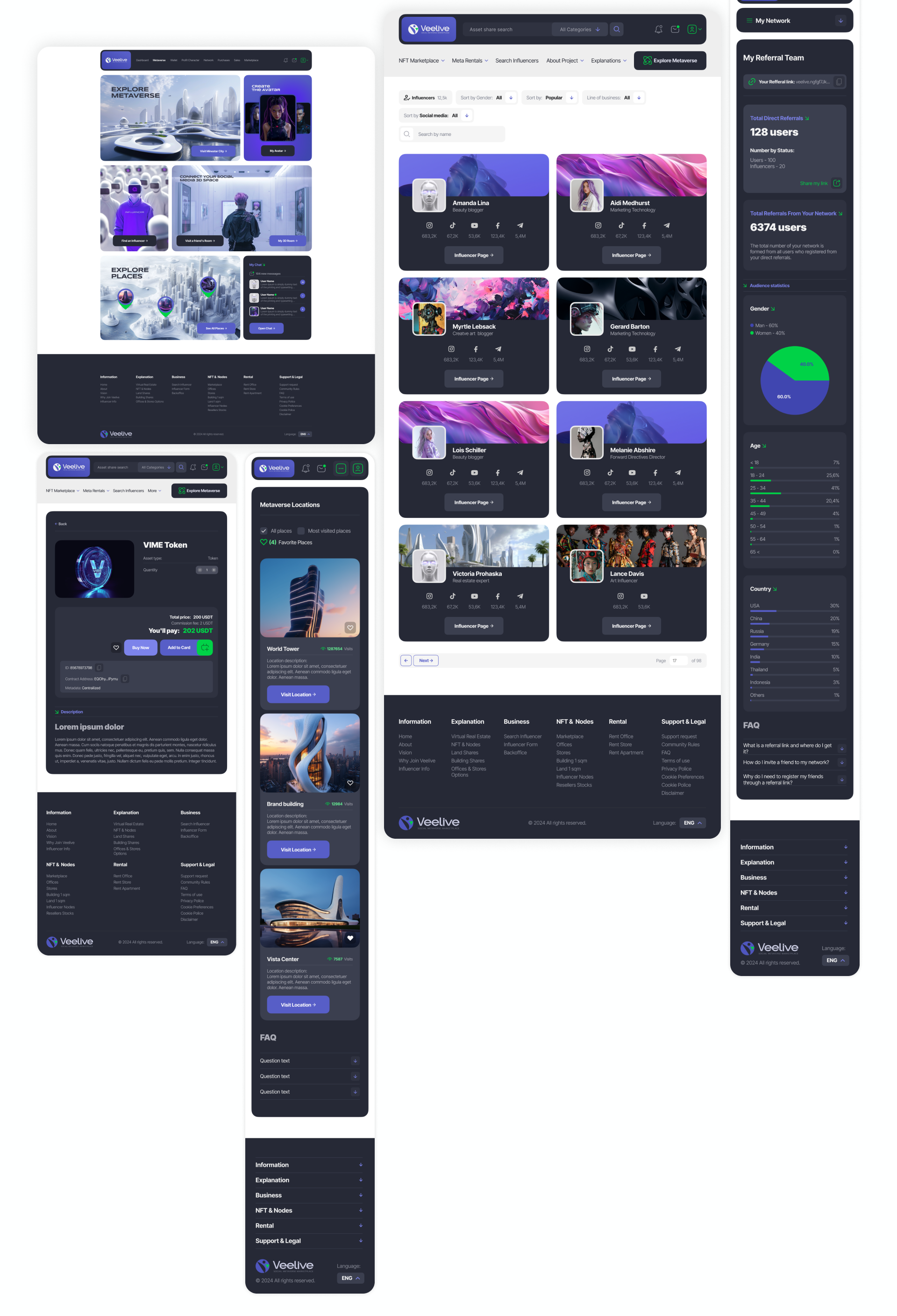
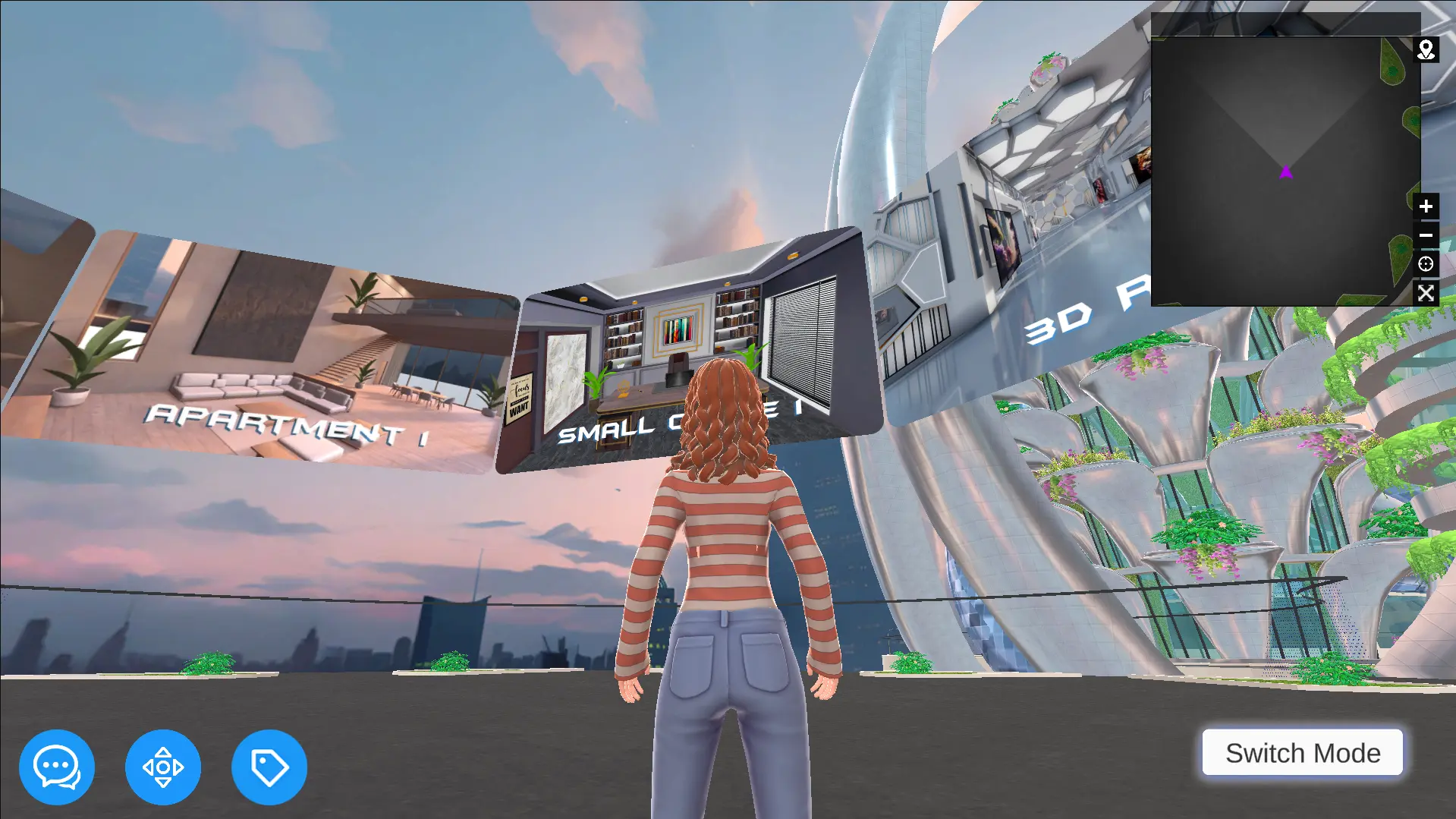
MineStar City
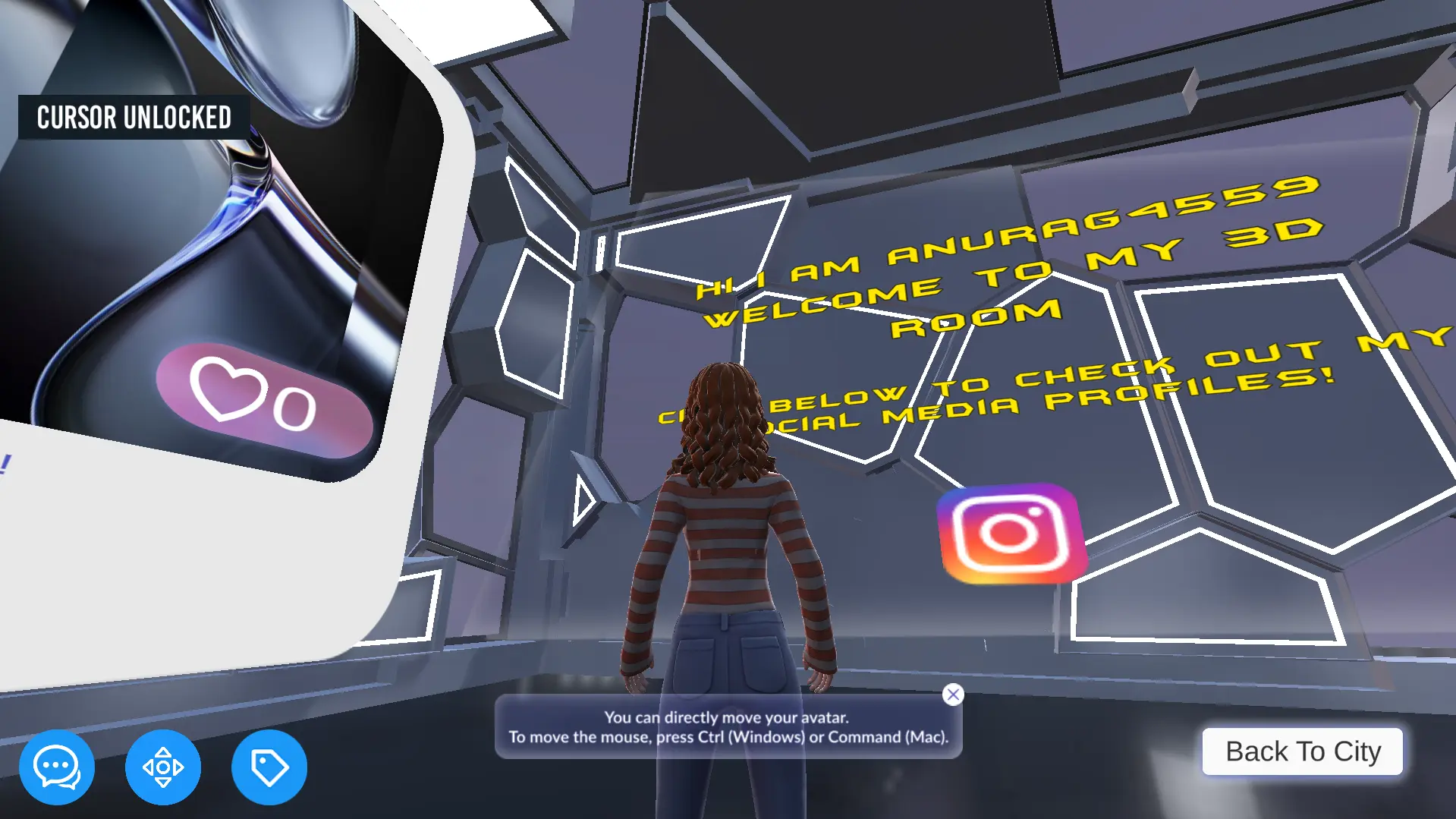
My 3D Room
Shopping Mall
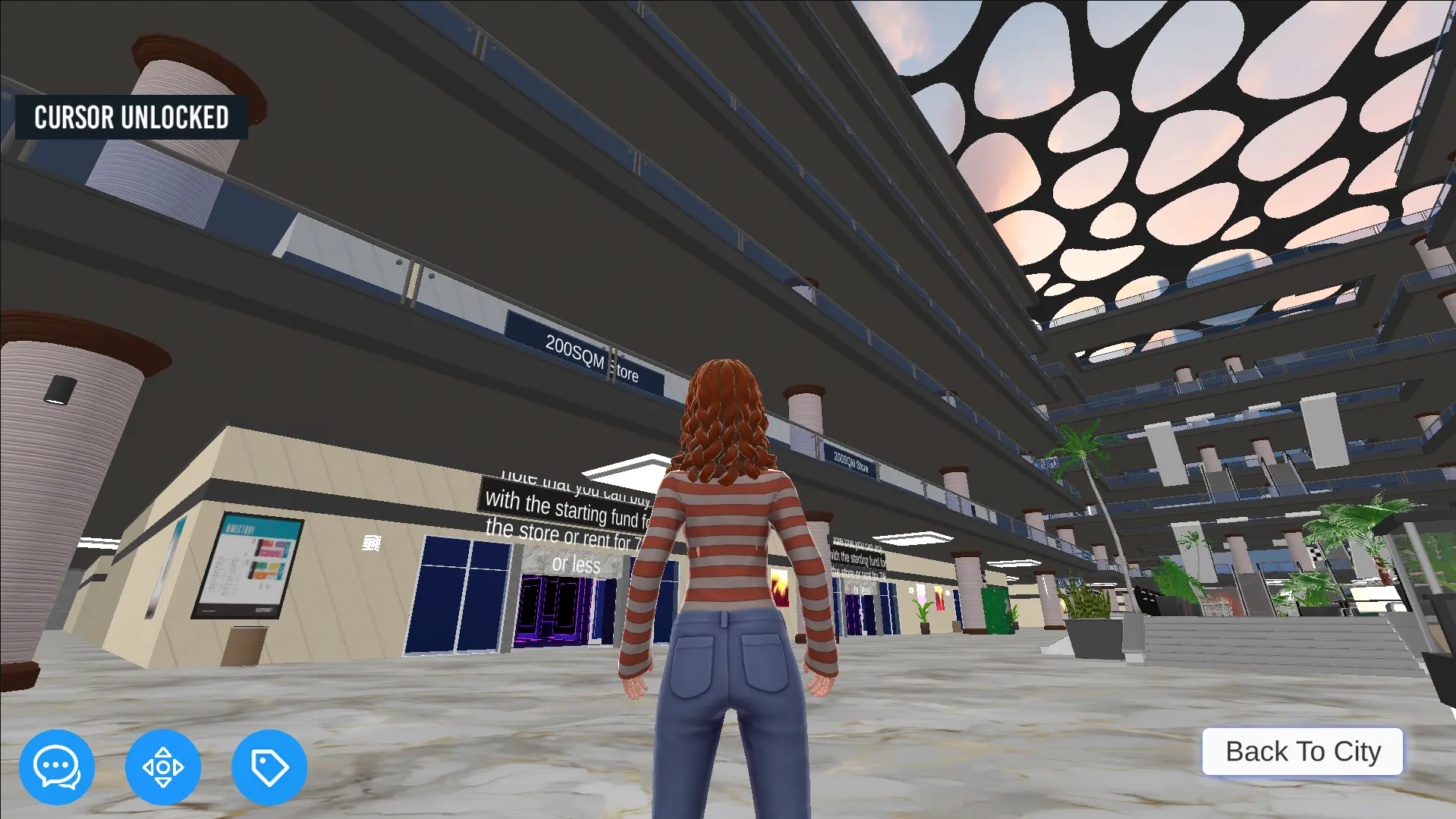
The 3D metaverse wasn't just cool—it was strategic. Average session duration in our metaverse: 6 minutes 42 seconds. Average session on competitor grid-based marketplaces: 1 minute 18 seconds.
Longer sessions = more browsing = more purchases. The immersive experience kept users engaged long enough to overcome buying hesitation.
The Honest Results: What I Can Actually Verify
By month eight, here's what I could see from my end:
Metrics I tracked personally:
Organic traffic: ~47,000 monthly visitors (from Search Console)
Conversion rate: 3.1% (from our analytics)
Lighthouse Performance: 99/100
Domain Authority: 58 (Moz)
Ranking: First page for 23 target keywords (Search Console)
Backlinks: 340+ from relevant domains (Ahrefs)
What the admin shared with me: The backend dashboard was showing consistent high-value transaction volumes. While I didn't have direct access to the revenue data, the admin mentioned we'd crossed significant revenue milestones—far beyond what we'd projected in our initial business plan. The platform was profitable and growing month-over-month.
What Actually Worked: The Honest Lessons
Performance scores directly correlate with revenue: Every 10-point Lighthouse improvement showed measurable traffic increases within 2 weeks
SSR isn't optional for Web3: JavaScript-only sites can't compete in search. Period.
Technical content builds authority faster than sales copy: My detailed technical posts got 5x more backlinks than any product-focused content
Speed is trust: Users equate fast sites with professional, trustworthy platforms. Slow sites scream "scam"
The metaverse kept users engaged long enough to buy: The immersive experience wasn't a gimmick—it was a conversion tool
AI search is real: Optimizing for ChatGPT/Perplexity brought us traffic we couldn't have gotten through traditional SEO
The Failures Nobody Talks About
Let's be real. Not everything worked:
Tried Twitter marketing for 1 month. Total waste of time.
Created promotional videos. Never again.
Attempted influencer partnerships. Didn't work.
The lesson: Technical excellence and organic search beats forcing social media growth every single time.
Final Thoughts: The Technical Marketer Advantage
Veelive succeeded because I refused to stay in my lane as "just the frontend developer." Every technical decision became a marketing decision. Every optimization was about user acquisition, not just clean code.
The platform is still growing. The client is happy. And I learned that the most valuable developers aren't the ones who write the cleanest code—they're the ones who write code that makes money.
Check out Veelive: veelive.net and Dashboard - Veelive – Social Media Metaverse Platform
Building a Web3 platform and want to talk technical SEO strategy? I'm always happy to share what worked (and what completely failed). - Join the 1%: AI-First Digital Marketing & SEO That Dominates Searches