

Building Veelive: Converging the Metaverse with NFT Commerce
Featured
#Web3
#Metaverse
#Next.js
#Unity
#Blockchain
#NFT
The Convergence of Worlds
When we set out to build Veelive, the goal wasn't just to create another NFT marketplace.
The market is saturated with grid-based listing sites. We wanted to build a destination, a comprehensive social metaverse where the transactional nature of blockchain meets the immersive engagement of modern gaming.
Bridging these two worlds i.e. high-fidelity 3D environments and secure, web-based commerce, is a significant engineering challenge. It requires a seamless handshake between heavy rendering engines and lightweight, reactive web frameworks.
Here is an inside look at how we architected this platform.
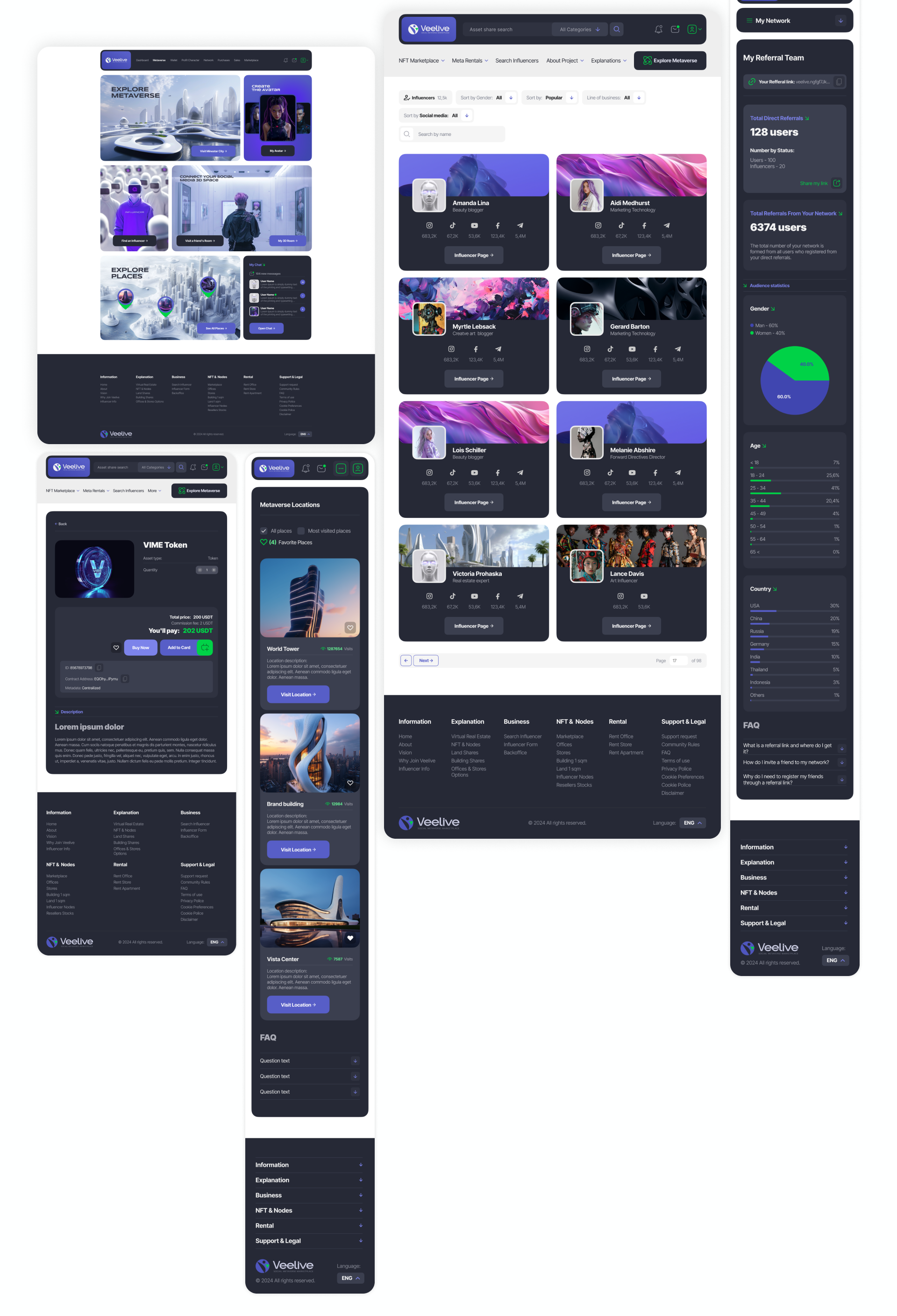
The Architecture:
A Hybrid Approach to deliver a sophisticated platform that actually works as advertised, we had to be very selective about our stack. The application effectively runs on two parallel tracks that intersect at the user interface level.
The Experiential Layer (Unity & WebGL)
At the core of the metaverse experience is the Unity engine. We chose Unity for its robust cross-platform compatibility and its ability to export high-quality WebGL builds. This allows users to navigate a 3D world, interact with digital assets, and socialize without needing a heavy desktop client.
Challenge: Optimization was key. We had to ensure the 3D assets looked great without killing browser performance.
Solution: We implemented strict asset optimization pipelines and dynamic loading to ensure the metaverse component runs smoothly alongside the DOM elements.
The Transactional Layer (Next.js & React)
Surrounding the 3D view is a high-performance web interface built with Next.js and Tailwind CSS. We utilized Server-Side Rendering (SSR) to ensure that despite being a heavy single-page application (SPA), the initial load times are lightning-fast and SEO-friendly. [Veelive Tech Stack Diagram](/images/blog/veelive-architecture.png)
>
Insight: Users notice the difference when you prioritize performance. By decoupling the UI state from the 3D render loop where possible, we maintained a silky-smooth 60fps experience. Blockchain Integration: Security Meets Usability, the backbone of Veelive is its ability to handle secure NFT transactions. We didn't want the complexity of Web3 to scare off casual users. We implemented a robust integration using Ethers.js and MetaMask. This allows for:
Smart Contract Interactions: Seamless buying, selling, and trading of assets directly within the application.
Decentralized Storage: We utilized Pinata IPFS for NFT metadata storage. This ensures that the digital assets users buy are hosted permanently and reliably, not just sitting on a centralized server that could vanish. Check out our documentation on NFT Standards here : https://www.anuragghosh.com/insights/nft-standards-rules-engagement
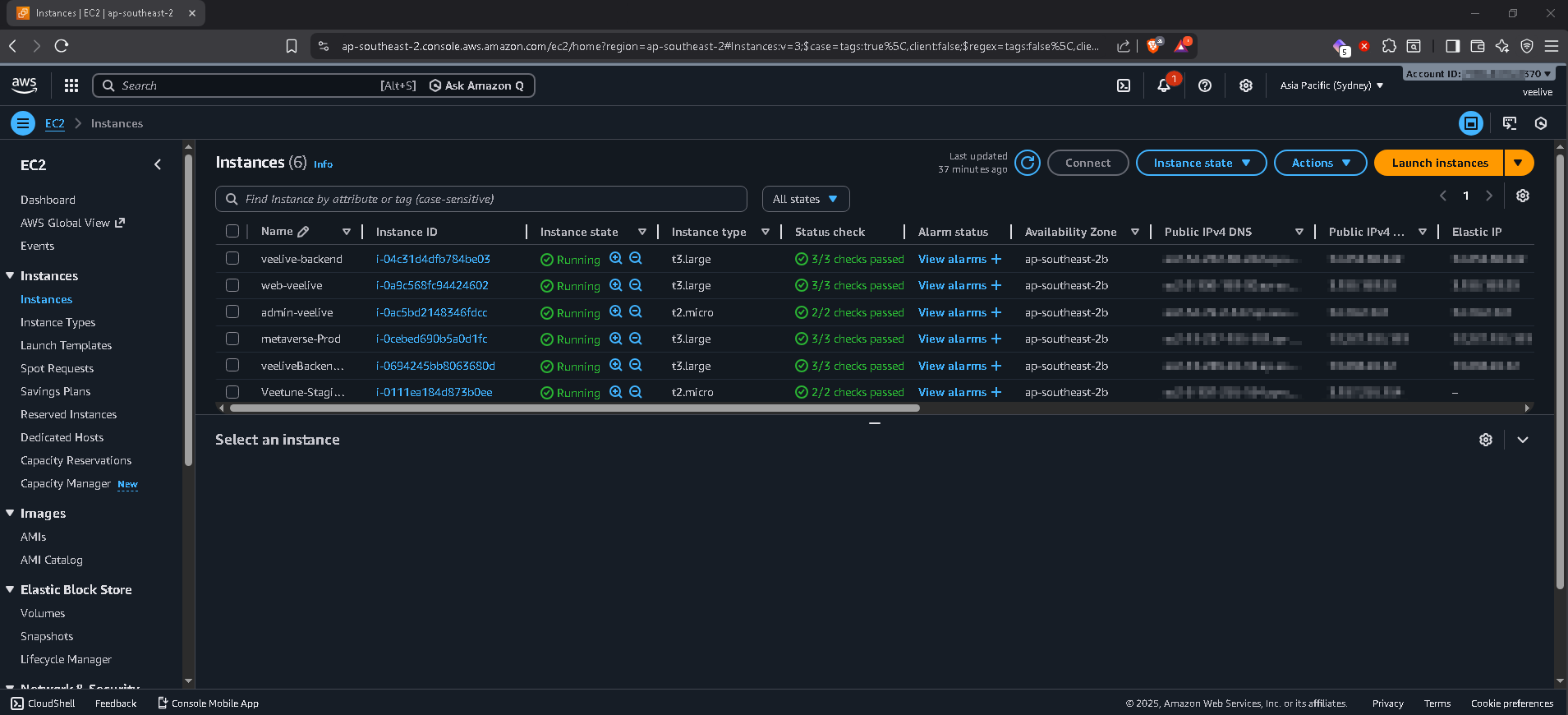
Backend Infrastructure: To tie the social and transactional aspects together, we needed a backend that scales. We deployed a Node.js and MongoDB architecture across AWS and Firebase. This setup handles the web2 side of things i.e. user profiles, real-time social synchronization in the metaverse, and marketplace indexing. The result is an enterprise-grade infrastructure capable of handling traffic spikes during high-volume NFT drops.
Final Thoughts
Veelive represents a step forward in how we perceive digital asset trading. It’s not just a shop; it’s a space. By successfully combining cutting-edge metaverse technology with practical NFT commerce, we’ve created a unique digital ecosystem that sets a high bar for what Web3 applications can be.
Check out Veelive From veelive.net – Social Media Metaverse Platform